Taylor Tree & Service · Terrell, TX
Firewood
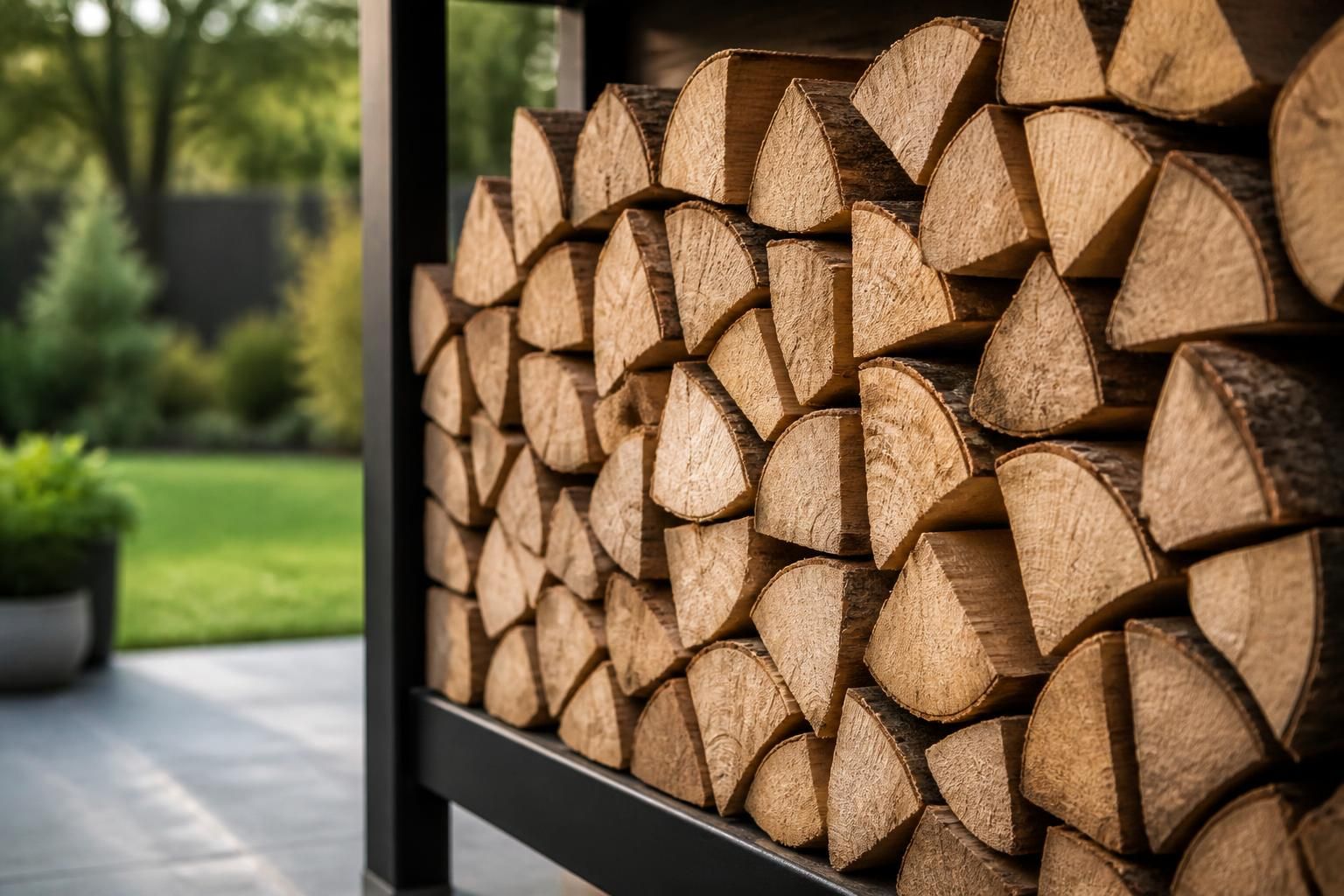
Firewood for Terrell homeowners who want dependable wood for fireplaces, fire pits, and wood stoves.
Taylor Tree & Service handles firewood for homeowners in Terrell, TX, and nearby Forney, Mesquite, Garland, Rowlett, Rockwall, and Wylie. It is for anyone who burns wood in a fireplace, wood stove, fire pit, or outdoor pizza oven and wants to know what they are buying before it lands in the yard. Call or send a request, tell us how you burn and how much you go through, and we will give you a free estimate before any work starts.
Maybe you bought a load that hissed, smoked, and barely caught. Maybe you have been dragging home a few bundles every weekend and the cost adds up. Or maybe a tree came down on your property and you are wondering whether the wood is worth keeping. These are the situations where a straight conversation about wood type, dryness, and quantity saves you money and frustration.
On this page, firewood means wood meant for burning at home. That covers cut logs for the fireplace, wood for a backyard fire pit, and wood for a stove or smoker if you cook over a fire. Tell us what you burn, how often, and how much space you have to store it. Those three answers shape nearly every other decision.
Availability changes with the season and with what is coming out of local yards, so ask what is on hand when you reach out. We will tell you what we have and what to expect rather than promising a specific wood you may not get.
This is the single biggest factor in whether firewood is pleasant to burn. Freshly cut wood holds a lot of water. Burning it wastes heat on boiling off moisture, produces more smoke, and leaves more residue in a chimney. Seasoned wood has been cut, split, and left to dry long enough that most of that water is gone.
Drying time varies by species and by how the wood is stacked, but dense hardwoods commonly need many months and sometimes a year or more. If you are buying for this winter, ask how long the wood has been drying. Do not assume.
North Texas yards and fence lines commonly hold oak, pecan, mesquite, elm, and cedar, along with fast-growing species like hackberry. They do not all burn the same way, and a quick comparison helps you pick for your purpose.
If you are not sure what suits your fireplace, stove, or fire pit, ask. Describing your setup is usually enough for a useful recommendation.
Many people connect firewood with tree removal because the wood often starts as a tree. They are separate jobs. Tree removal is about getting a tree down safely and clearing it from your property. Firewood is about the wood you burn afterward: what species it is, how dry it is, and how much you need.
This page covers firewood. If you also have a tree that needs to come down, limbs that need trimming, or a stump left behind, those are separate services and you are welcome to ask about them in the same call. If you want to keep wood from a tree on your property, mention it up front so the quote can reflect that plan.
Whoever you buy from, a few standards help you tell good wood from a disappointing load.
Firewood pricing is not one-size-fits-all, and a number with no details attached is hard to compare. Several factors move the final figure.
A clear written quote should spell out the type of wood, the amount in plain terms, whether it is seasoned, what is included, and how any changes are handled if you decide to add or reduce the order. If something is not listed, ask before you agree. We give a free estimate before any work starts so you can see all of this up front.
Before you hire or buy from anyone for firewood in the Terrell area, ask:
Reach out by phone or send a request through the site. Share your city, what you burn in, roughly how much you use in a season, and any preference on wood type. If you have fallen trees or limbs on your property, mention them as well. You will get a free estimate before any work begins, and you can decide from there.
Ordering ahead of the cold months usually gives wood more time to dry and gives you more choices. Texas winters are short and uneven, so many households burn only a handful of cold stretches a year, which makes a right-sized order worth thinking about.
Earlier is usually better. Late summer and early fall tend to give you more choice and time to confirm that the wood is dry. Waiting until the first cold snap often means a busier market and less selection.
It depends on how often you burn, whether the fire is a main heat source or just for atmosphere, and how efficient your fireplace or stove is. Tell us your habits and we can help you estimate a sensible starting amount.
Price follows the species, how dry the wood is, the amount, the log length, whether it is split, and how easy the delivery spot is to reach. A written estimate should list these so you can compare it with other quotes.
You can, but it burns poorly. Fresh wood holds a lot of moisture, which means weak heat, heavy smoke, and more buildup in a chimney. Seasoned wood is the better choice for indoor burning.
For a fireplace, many people prefer dense hardwoods that burn steadily. For a fire pit, mix in some quick-lighting wood to get started. Sparky species can be fine outdoors but are less welcome indoors.
Keep it off the ground, give the stack some airflow, and cover the top while leaving the sides open. Place it away from the house walls, which helps keep it dry and reduces the chance of pests moving in.
What You Can Expect
We walk through the job and give you an estimate at no cost before any work begins.
Fallen or storm-damaged trees can happen at any hour, so we are available day and night.
We aim to leave your property looking better than we found it once the work is done.
Common Questions
Tell us what is going on with your trees or property and we will set up a free estimate before any work begins.